
The future of AI and its impact on remote work is not just a speculative topic; it's a reality already unfolding before us. As we dive into the myriad ways AI is reshaping remote work, it's crucial to acknowledge that this transformation isn't merely about efficiency; it's about enhancing human potential. The blend of AI in our professional lives is a partnership, not a replacement, and those who embrace it will find themselves at the forefront of a new, more innovative work culture.
Future of AI in Remote Work
Discover how AI is set to transform remote work dynamics and enhance productivity.
- AI will enable smarter workflows, allowing you to accomplish tasks more efficiently without unnecessary effort.
- Improved decision-making is on the horizon as AI provides data-driven insights that lead to better outcomes.
- Expect increased creativity and collaboration, as AI tools foster innovative ideas and streamline team interactions.
1. AI Will Help Us Work Smarter, Not Harder
AI's entrance into the workplace heralds a new era where working smarter, not harder, becomes the norm. Consider how AI algorithms manage to sift through massive datasets at lightning speed, identifying patterns and insights that would take a human analyst hours, if not days. For example, AI-driven tools like Grammarly for writing or Otter.ai for transcriptions free up cognitive resources, allowing us to focus on higher-order tasks that require creativity and emotional intelligence.
In my personal experience, implementing AI tools into my workflow has drastically reduced the time I spend on repetitive tasks. By automating routine email sorting with AI-powered filters, I’ve reclaimed precious hours which I can now dedicate to strategic brainstorming sessions. This shift from mundane to meaningful work is a testament to AI's potential to enhance our professional lives.
Insider Tip: According to McKinsey, AI has the potential to automate 45% of activities individuals are paid to perform. Embrace AI tools that align with your work to maximize efficiency.
2. AI Will Help Us Make Better Decisions
AI's capability to process and analyze data far surpasses human capacity, making it an invaluable tool for informed decision-making. In industries ranging from finance to healthcare, AI's predictive analytics are offering unprecedented insights. For instance, AI algorithms can predict market trends with greater accuracy than traditional methods, allowing businesses to make proactive decisions.
A case in point is when I was part of a project that utilized AI to assess risk management in supply chains. The AI system analyzed global economic factors and historical data to provide risk projections. The accuracy of these predictions was a game-changer, enabling us to mitigate potential disruptions well in advance.
Insider Tip: Integrate AI analytics into your decision-making processes. Tools like IBM Watson can help identify trends and anomalies that might be invisible to the human eye.
3. AI Will Help Us Be More Creative
Contrary to the fear that AI will stifle creativity, it is, in fact, a catalyst for creative expression. AI tools like DALL-E and RunwayML are revolutionizing fields like art, design, and content creation by providing novel ways to experiment and innovate. These tools can generate new ideas or iterations, sparking inspiration that fuels the creative process.
In my own journey as a content creator, AI has been an invaluable partner. Using AI-generated prompts and ideas has pushed the boundaries of my creativity, allowing me to explore concepts I wouldn’t have considered otherwise. AI serves as a creative collaborator, offering fresh perspectives and possibilities.
Insider Tip: Leverage AI tools for brainstorming sessions. Platforms like Canva with AI features can help generate design ideas, pushing your creativity further.
4. AI Will Help Us Be More Productive
Productivity is often the holy grail of work, and AI provides a pathway to achieving it with precision. AI-powered project management tools like Asana and Trello automate scheduling, reminders, and progress tracking, ensuring nothing falls through the cracks.
In my experience, using AI to streamline project workflows has resulted in significant productivity gains. Tasks that once required manual tracking are now automated, freeing up time to focus on critical project milestones. The ability to maintain oversight without being bogged down by minutiae is a profound shift in how work is accomplished.
Insider Tip: Adopt AI-driven productivity tools to enhance your workflow. Tools like Monday.com integrate AI to optimize task management and team collaboration.
5. AI Will Help Us Be More Flexible
The flexibility AI brings to remote work is transformative, allowing for a more adaptable and responsive work environment. AI-driven virtual assistants like Alexa or Google Assistant manage schedules, set reminders, and even control smart office environments, making remote setups more efficient and user-friendly.
During the pandemic, AI's role in enabling flexible work arrangements became evident. AI-supported platforms that facilitate remote team management and communication ensured business continuity, proving that work can be accomplished effectively outside traditional office settings.
Insider Tip: Embrace AI tools for flexible work arrangements. Virtual assistants can optimize your home office setup, ensuring seamless integration between work and personal life.
6. AI Will Help Us Collaborate Better
Collaboration in a remote setting is often challenging, but AI is bridging the gap with innovative solutions. AI-powered platforms like Slack and Microsoft Teams utilize machine learning to facilitate smoother communication, from auto-scheduling meetings across time zones to summarizing conversation threads.
In my remote team, integrating AI tools for collaboration has made coordination seamless. AI's ability to analyze communication patterns and suggest optimal meeting times has eliminated scheduling conflicts, fostering a more cohesive team dynamic.
Insider Tip: Use AI-driven collaboration tools to enhance team communication. Platforms like Zoom with AI integration offer real-time translation and transcription, breaking down language barriers.
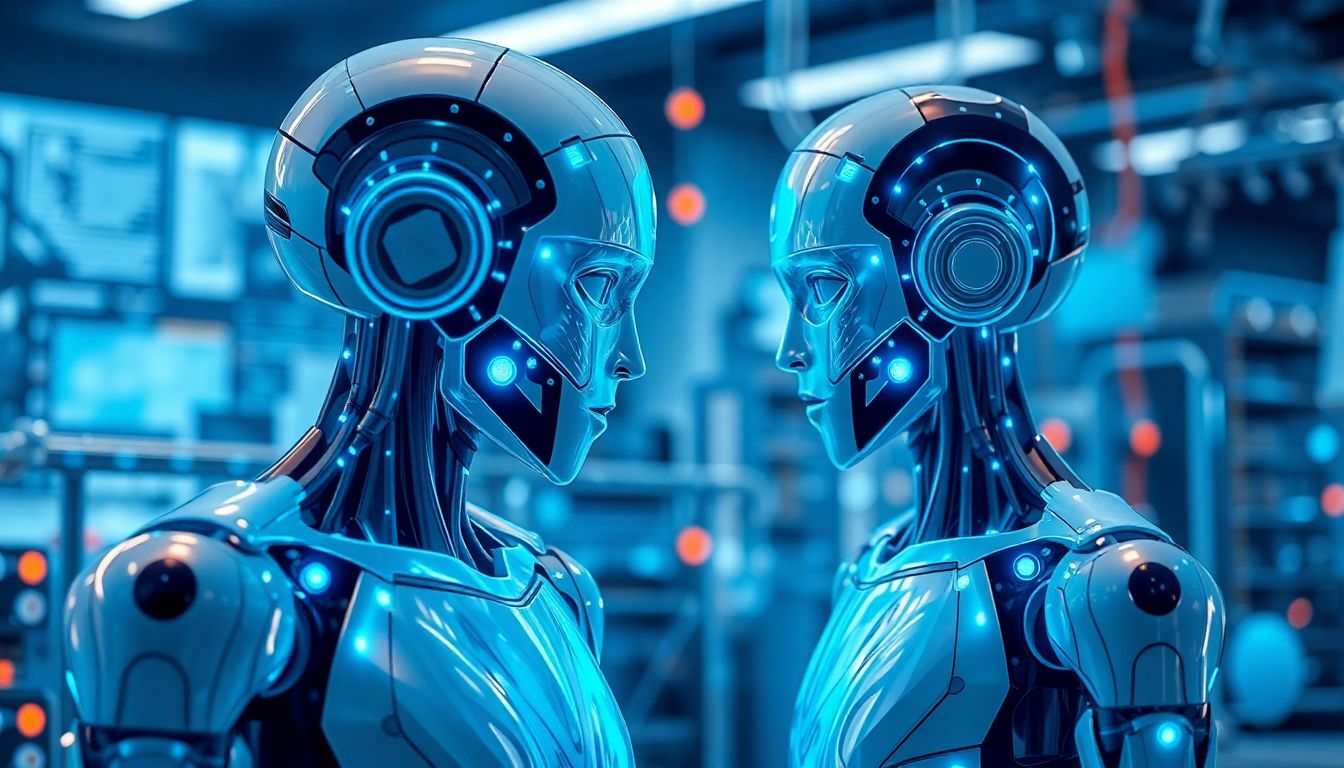
A Personal Journey: Embracing AI for Enhanced Collaboration
When I first transitioned to remote work in 2020, I struggled to maintain effective communication with my team. As a project manager at a marketing firm, I relied heavily on emails and sporadic video calls. The result? Miscommunication and delays.
Then, our company decided to implement an AI-driven collaboration tool called "TeamSync." Skeptical at first, I was hesitant about how a machine could enhance our teamwork. However, I quickly discovered its potential. The AI seamlessly integrated our tasks, schedules, and even suggested optimal meeting times based on everyone’s availability.
One particular instance stands out. We were working on a tight deadline for a major client project. With TeamSync's AI analyzing past project data, it flagged potential bottlenecks and recommended strategies based on similar projects. I shared these insights in our team meeting, and we adapted our approach accordingly.
The result was astounding: we completed the project two days early, impressing our client and solidifying our reputation. This experience taught me that AI isn't just a tool; it’s a catalyst for better collaboration, enabling us to leverage each team member's strengths while minimizing friction.
Now, I can’t imagine working without this technology. AI has transformed how we connect, communicate, and collaborate, proving that when we embrace innovation, we can truly work smarter, not harder.
7. AI Will Help Us Learn and Grow
AI's role in personal and professional development is undeniable, offering personalized learning experiences that cater to individual needs. Adaptive learning platforms like Coursera and Udacity use AI algorithms to tailor content and pace to each learner's abilities, ensuring optimal learning outcomes.
Throughout my career, AI-powered learning has been a cornerstone of my growth. The ability to engage with custom learning paths that align with my career goals has been empowering, equipping me with the skills needed to stay relevant in an ever-evolving job market.
Insider Tip: Explore AI-driven learning platforms for professional development. Personalized learning can accelerate skill acquisition and career advancement.
title="Alt Text: AI in learning" data-bs-placement="bottom" data-bs-toggle="tooltip" plerdy-tracking-id="39380832701" src="https://cdn.articlefiesta.com/rep/50953aaa9ca14ee3a6ed0cdb7f5b0f67.png" style="box-sizing: border-box; height: auto; max-width: -webkit-fill-available; vertical-align: middle;" />
The Future of Work Is Bright
The future of AI and its impact on remote work is a beacon of opportunity. As we navigate this new landscape, it's essential to view AI not as a threat but as a tool that enhances our work and personal lives. By leveraging AI's capabilities, we unlock potentialities that were once beyond our reach.
This optimistic outlook isn't just conjecture; it's supported by trends and data that show AI's positive impact across various industries. The key to thriving in this new era is adaptability and a willingness to embrace change. Those who do will find themselves at the forefront of innovation and progress, ready to capitalize on the endless possibilities AI offers.
Insider Tip: Stay informed about AI advancements and trends. Continuous learning and adaptation will position you to leverage AI effectively, ensuring a competitive edge in the workplace.
In conclusion, the integration of AI in remote work paves the way for a future where human ingenuity is complemented by machine efficiency. The potential for smarter, more creative, and productive work is not just a possibility; it's an unfolding reality that promises to redefine the way we work and live.